

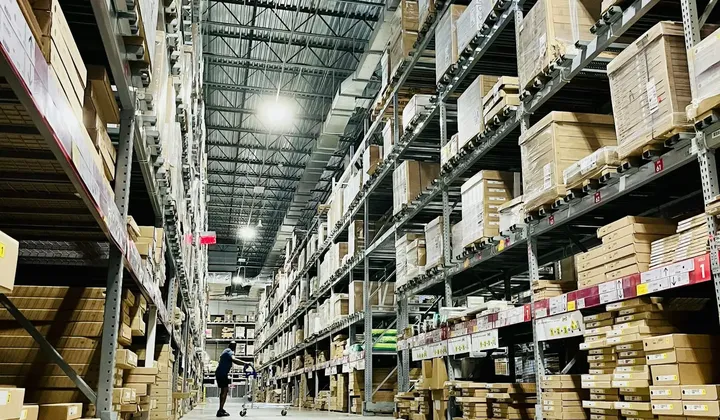
Multiple stores and channels
In "Retail & distribution", the pressure "Multiple stores and channels" is assessed through its direct effect on daily decisions, workflow and input data
Margins, market speed and multiple channels make pricing, inventory and allocation decisions harder. Sales, basket and customer analysis can reveal differences between locations and channels and support more focused investigation. Applications range from customer segmentation to replenishment and price evaluation. Product identifiers, reporting periods, promotions and supply constraints are checked before a pattern is translated into an operating recommendation.
Industry context
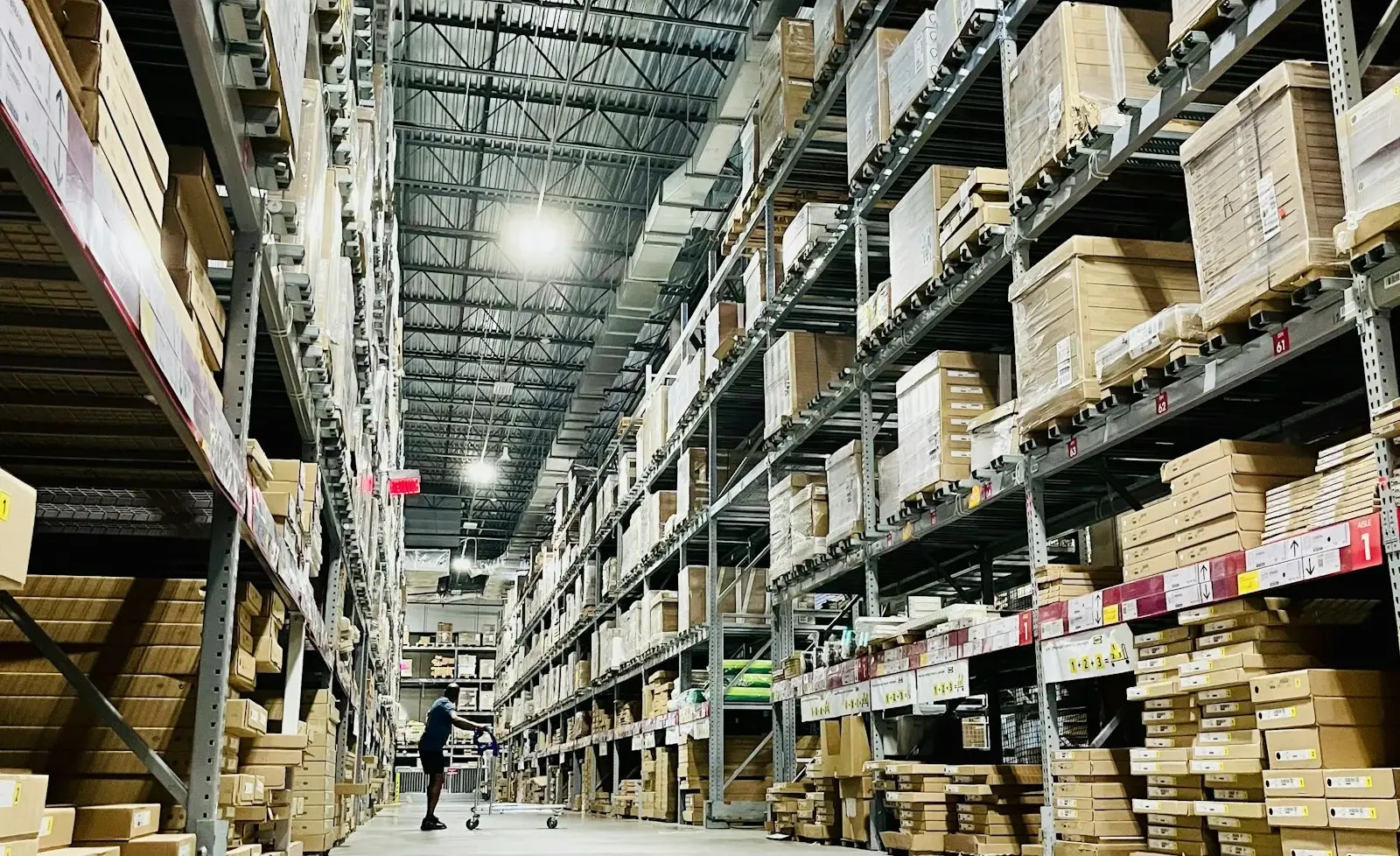
Thin margins and market speed make pricing and allocation data decisions
Assess the opportunityDecision pressures
Clarify the real bottleneck and constraints before selecting a solution
In "Retail & distribution", the pressure "Multiple stores and channels" is assessed through its direct effect on daily decisions, workflow and input data

In "Retail & distribution", the pressure "Unbalanced inventory" is assessed through its direct effect on daily decisions, workflow and input data

In "Retail & distribution", the pressure "Changing customer behavior" is assessed through its direct effect on daily decisions, workflow and input data
Practical opportunities
This list starts the conversation; it is not one prescription for every business

Define customer groups using purchasing behavior and usage context. Turn differences in needs into testable ideas for messages or recommendations. Evaluate experience quality, access constraints and customer feedback alongside response measures before expanding a proposed approach.
Assess the opportunity
Review store sales, available stock and replenishment lead times together. Investigate shortages and excess inventory in the context of seasonality and transfer constraints. Make allocation suggestions reviewable by store or distribution owners before they change operating plans.
Assess the opportunity
Compare basket composition, pricing and promotions across suitable periods. Investigate product relationships and changes in purchasing behavior. Account for campaign and seasonal context during interpretation so an observed association is not presented as a proven commercial effect.
Assess the opportunity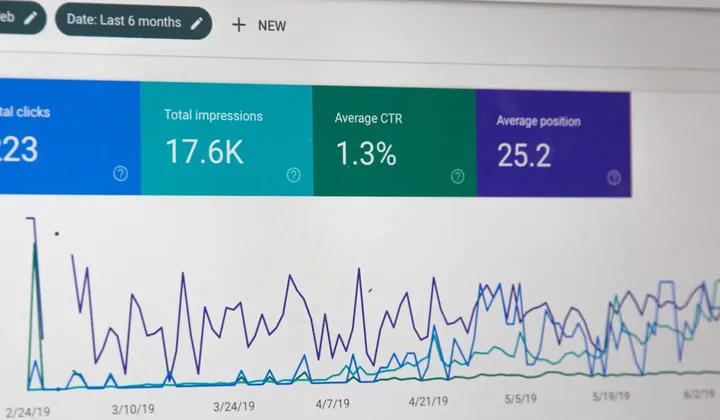
Connect sales, returns and availability measures to stores and channels using common definitions. Compare performance while considering differences in scale and market conditions. This provides a useful basis for investigation and actions suited to each operating unit.
Assess the opportunityOur process
Industry constraints inform every stage
Clarify the decision, stakeholders, constraints and current data. Review a sample report and one recurring decision with its accountable owners.
Output: A shared problem frameCompare options by value, feasibility and risk. Record assumptions, dependencies and the reasoning behind each priority for review.
Output: A prioritized opportunity portfolioDefine architecture, delivery method and continue-or-stop criteria. Include required sources, responsibilities and control points in the delivery plan.
Output: An executable roadmapEvaluate a bounded slice in a real workflow with real users. Compare results with a baseline and consider test limitations in the next decision.
Output: Decision-grade evidenceComplete controls, monitoring and capability transfer with your team. Transfer documentation, monitoring ownership and an incident path to the operating team.
Output: An owned operational solution
Starting point
That decision can reveal the required path for data, analytics or AI
Assess the opportunity